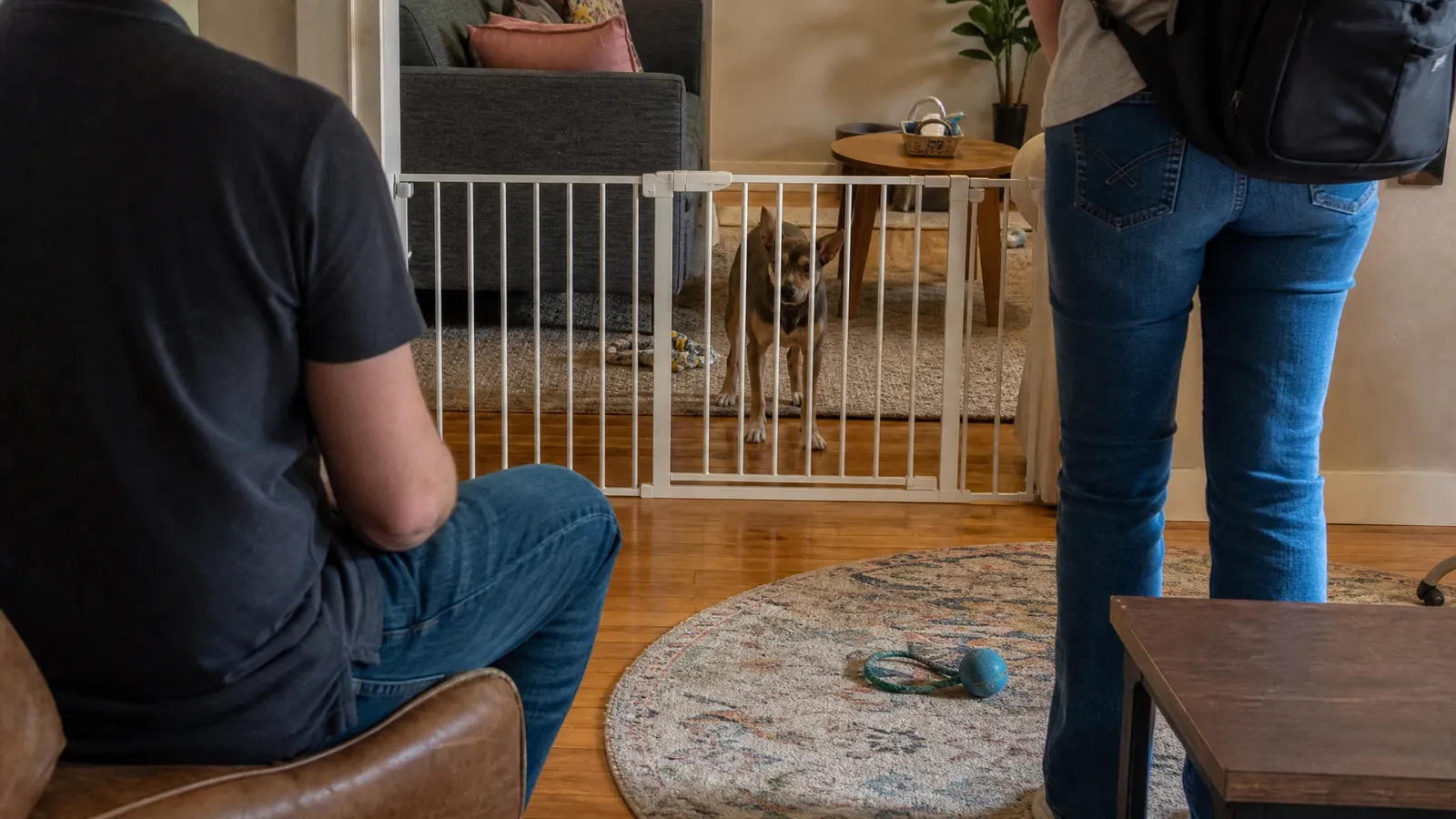
Aggression is a serious behavior, and the first steps are safety, a vet exam and a clear picture of what sets your dog off. We coach Arlington owners through management and reward-based behavior change, and we will tell you honestly when a case needs a veterinary behaviorist or a different level of help.
Share what happened, and we will tell you whether we are the right fit
- In-person training in Arlington and nearby areas
- Online training anywhere
- Reward-based methods only
What counts as dog aggression, and is it always a sign of a bad dog?
Aggression is behavior meant to increase distance or protect something: growling, a hard stare, snapping, lunging or biting. It is communication. Most aggressive dogs are afraid, in pain, stressed or protecting something they value, not "dominant" or "mean."
| Type | What it looks like | Usually driven by |
|---|---|---|
| Fear-based | Backing away, then snapping if approached | Unfamiliar people or places, no escape |
| Resource-related | Stiffening or growling over food, toys, a spot | Valued items; see resource guarding |
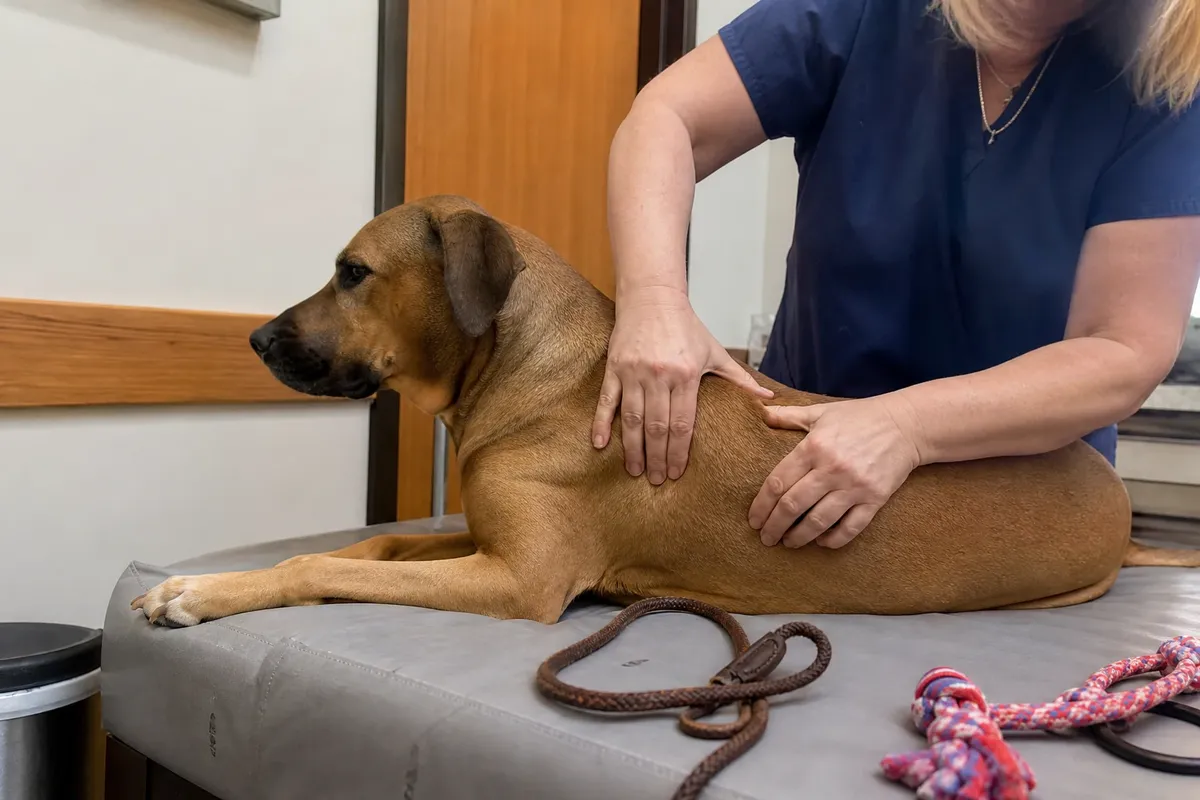
| Pain-related | Snaps when touched in one area | Injury, arthritis, dental or ear trouble |
| Dog-to-dog | Lunging or fights with other dogs | Fear, frustration, poor early experiences; see leash reactivity |
| Handling | Growl or snap at nail trims, collar grabs | Past rough handling or discomfort |
What should I do the first day my dog growls or bites?
Keep everyone safe first and do not punish the growl. A growl is a warning, and a dog punished for growling may skip it next time and go straight to a bite.
- Separate the dog from the trigger with a baby gate, closed door or crate, calmly and without grabbing.
- Book a vet visit. Pain and illness commonly sit behind sudden behavior changes.
- Write down what happened right before: who, where, what the dog was holding, what the dog's body did.
- Stop situations you know are risky: visitors, shared toys, crowded walks.
- For a serious bite, treat any wound as a medical matter and see a doctor. A 24-hour vet such as I-20 Animal Medical Center in Arlington or VEG in Grand Prairie lists around-the-clock emergency care for the dog; confirm hours before you travel.
What does the City of Arlington publish about aggressive dogs?
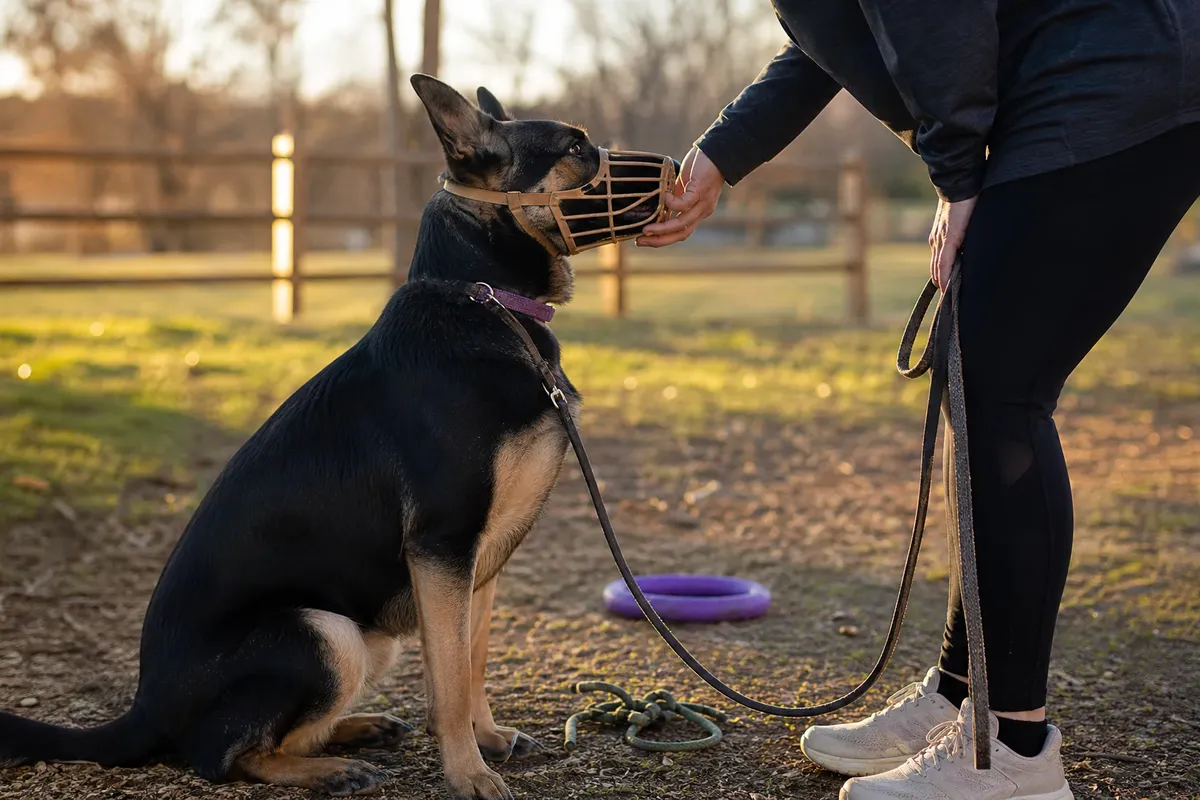
Last verified 2026-11-11. The City of Arlington runs a Dangerous Dogs process under state law and city ordinance. The city's wording describes a dangerous animal as one that makes an unprovoked attack on a human, causing bodily injury. Our research recorded that registration conditions include a secure enclosure, or a muzzle with a leash of 6 feet or less, plus liability insurance and an annual renewal fee, but we did not re-open that page for this version, so read the current requirements on the city page.
The city also says never to tether a dog to a stationary object, which is relevant because a dog chained in a yard can become more reactive (City of Arlington, Responsible Pet Ownership). For questions about a specific incident or a legal obligation, contact Arlington Animal Services or an attorney. We are trainers and cannot give legal advice.
Here is a common situation Arlington owners face: a dog adopted from a shelter, calm for the first weeks, starts growling when a guest reaches toward its bed. The shelter's own page notes that some animals are placed under a reduced "Very Important Pet" fee for reasons that include behavioral or special needs (City of Arlington, Pet Adoption Process), so asking about a dog's history before and after adoption is reasonable.
How we train dogs with aggression
We start with an intake conversation and, where it is safe, an in-person look. Everything we do is reward-based. The AVSAB position statement says reward-based methods are recommended for all training and that aversive methods should not be used (AVSAB humane training statement via Purdue).
- Safety plan. Gates, leashes, muzzle conditioning where appropriate, and rules for guests.
- Trigger map. We list what sets your dog off and at what distance or intensity.
- Prevention. We stop rehearsal of the behavior while training builds new habits.
- Counter-conditioning and desensitization. We pair low-level triggers with food and calm, and raise difficulty only when your dog stays relaxed.
- Skills that help. Mat settle, go-to-place, a hand-target and an emergency U-turn.
- Owner coaching. You learn to read early stress signals and step in before things escalate.
If your case seems to need a veterinary behaviorist, medication or a credentialed behavior consultant, we say so. Credentials differ; for example, IAABC describes its credentials as earned by exam. We do not claim results we cannot promise.
When is in-person training better than online for aggression?
In-person is usually safer and more useful for aggression, because a trainer sees your dog's body language and your handling in the real space. Online coaching can still help with prevention plans, video review and follow-up, especially after an in-person assessment. Compare in-person private training with online training, then apply and tell us what has happened.
What to expect from the first sessions: we spend most of the time on safety and observation, not on pushing your dog. You will leave with a written-down routine for guests, feeding, walks and handling, plus two or three small exercises to practice in short bursts. We recheck the plan each session and slow it down if your dog shows stress. If a household includes young children, we also cover supervision rules and how to set up spaces where the dog can rest without being approached.
Frequently asked questions
Can an aggressive dog be trained out of it?
Many dogs improve a lot with management, veterinary care and reward-based training, but there is no promise of a cure. The outcome depends on the dog, its history and how consistently the household follows the plan.
Should I punish my dog for growling?
No. A growl is a warning, and punishing it can teach a dog to hide warnings. Remove the trigger, keep distance and look for the cause.
Do I need a vet before training?
Yes, in most cases. Pain, thyroid issues and other medical problems can drive aggression, so we ask owners to get a checkup first.
Will you work with a dog that has already bitten?
Sometimes, depending on the severity and the safety plan. We will talk through what happened and tell you honestly whether we can help or whether a veterinary behaviorist is a better step.
Is muzzle training cruel?
No, when done with gradual conditioning. A muzzle introduced slowly with food becomes comfortable and keeps people and dogs safe while behavior work happens.
Keep reading
- Resource guarding training in ArlingtonRead more →
- Leash reactivity trainingRead more →
- Rescue and shelter dog trainingRead more →
- In-person private dog training in ArlingtonRead more →
- Online dog training and coachingRead more →
- Apply for trainingRead more →
Sources
- City of Arlington, Dangerous Dogs (last verified 2026-11-11)
- City of Arlington, Responsible Pet Ownership (last verified 2026-11-11)
- City of Arlington, Pet Adoption Process (last verified 2026-11-11)
- I-20 Animal Medical Center (last verified 2026-11-11)
- VEG Grand Prairie (last verified 2026-11-11)
- AVSAB humane dog training position (via Purdue Canine Welfare Science Center) (last verified 2026-11-11)
- IAABC credentials (last verified 2026-11-11)
Share what happened, and we will tell you whether we are the right fit
- In-person training in Arlington and nearby areas
- Online training anywhere
- Reward-based methods only