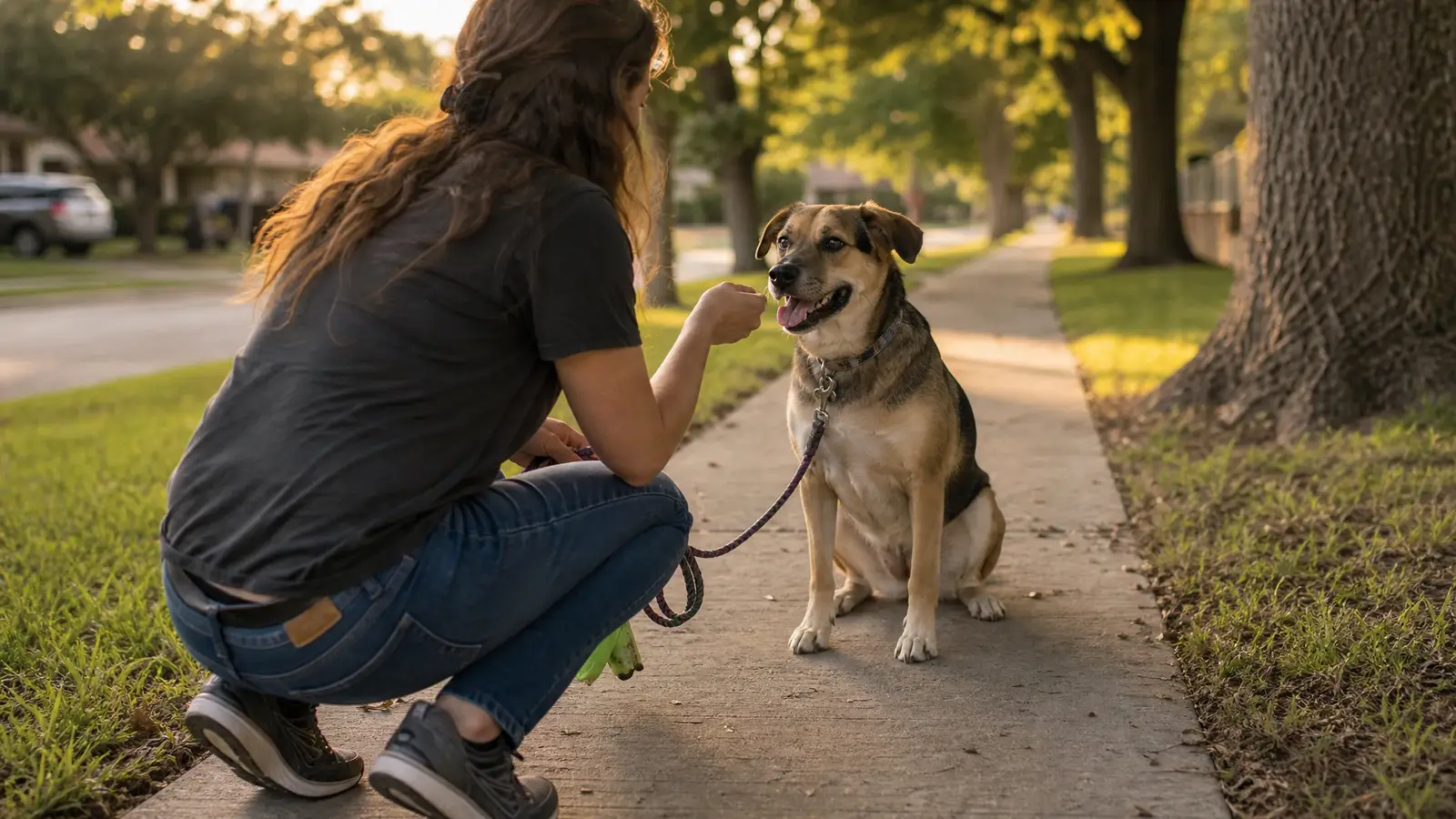
We cannot give you a list of the most common breeds in Arlington, because we found no breed data published by the city. What we can do is show you how to weigh breed tendencies for the dog in front of you, and which Arlington records say what.
Not sure what your dog needs? Tell us about them, then walk them at Tails ’N Trails
- In-person training in Arlington and nearby areas
- Online training anywhere
- Reward-based methods only
Can you predict a dog's behavior from its breed?
Only loosely. Breed tells you what a type of dog was developed to do, and that can hint at energy, drive and sensitivity. It does not tell you how a particular dog will behave in your home.
Two dogs of the same breed can differ a great deal, and many dogs in shelters and homes are mixes whose ancestry is a guess. Treat a breed label as one clue, not a diagnosis. Here is how we use it.
| A breed label can suggest | It cannot tell you |
|---|---|
| Likely size and exercise needs | How this dog reacts to strangers or other dogs |
| What the breed was historically developed to do (herding, retrieving, guarding, companionship) | Whether this dog has had enough socialization |
| Coat type, which affects grooming and heat comfort | How this dog handles being alone |
| A starting guess for which games and rewards may motivate | Whether a past owner used harsh methods |
What do Arlington's records publish about dog breeds?
As far as we could find, nothing breed-specific. We reviewed the city's licensing portal, its Animal Services fee schedule and its adoption pages, and none of them presented a breed breakdown (last verified 2026-11-11).
The licensing portal and fee schedule price a license by whether the dog is altered or unaltered. The adoption page describes a flat $100 dog adoption fee and a reduced "Very Important Pet" fee for animals the city lists as seniors, long-stayers, or with treatable medical or behavioral needs. None of that is a breed ranking.
So if a website claims to know the most common breeds in Arlington, ask where the figure came from. We would rather tell you the records are silent than repeat a number we cannot source. For city rules that do apply to every dog, see our guide to leash laws and licensing.

How should an Arlington owner weigh breed tendencies before choosing a dog?
Start with your daily life, then use breed information to test the fit. A short checklist works better than a favorite breed.
- Space and housing. A third-party summary of Census data puts roughly 45% of Arlington households as renters, so many owners need a dog who copes with apartment living and shared walls.
- Noise. The city's barking complaint process starts with neighbor-to-neighbor conversation and can end in a notarized affidavit, so consider how vocal a dog type tends to be.
- Heat. Summer afternoons here are hard on dogs. Thick coats and flat faces may mean shorter, earlier walks; the city's own guidance is to schedule outings for morning or evening.
- Energy and job. Dogs bred for work often need structured outlets, not just a lap around the block.
- Your experience and time. Be honest about how many minutes a day you can give to short training sessions.
Ask the person placing the dog how the individual dog behaves at the center, not just what the breed is said to be like.
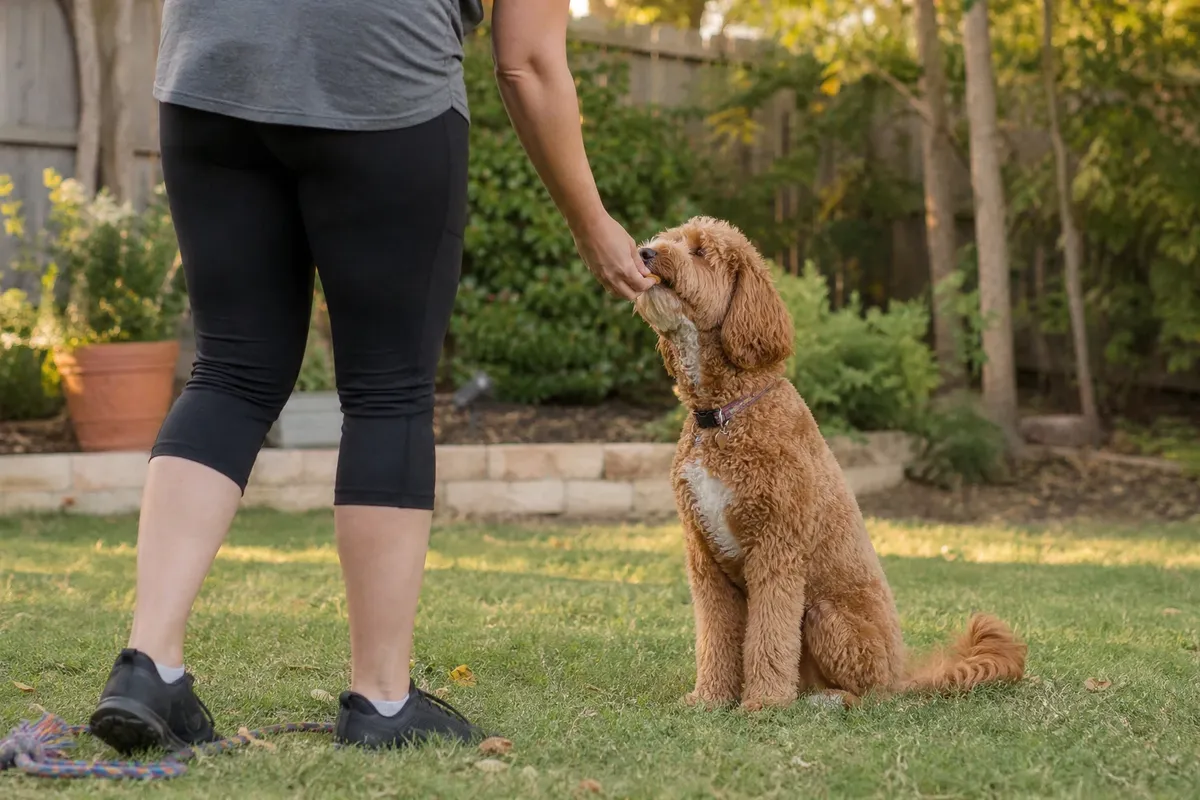
Where can Arlington owners meet different dogs before deciding?
The City of Arlington Animal Services Center, at 1000 SE Green Oaks Blvd, is the public starting point. Its adoption steps are listed on the city site: visit or browse online, choose a pet, complete the agreement, and pick up after the spay or neuter appointment. Hours change, so confirm them on the city page (last verified 2026-11-11).
The city also runs a foster program, which lets you live with a dog before deciding anything permanent. Breed-focused rescues exist too; for example, Doberman Rescue of North Texas describes itself as a 100% volunteer nonprofit in nearby Grand Prairie. Next to the Animal Services Center sits Tails 'N Trails Dog Park, a 5.7-acre fenced off-leash park. For rules about each park, read the city page first.
A common situation Arlington owners face: a renter chooses a dog from a breed description alone, then discovers the dog needs far more activity than a second-floor apartment and a hot July afternoon allow. A foster period or a longer meet-and-greet shows that early.
How we train around breed tendencies
We start with the dog, not the label. Our trainers watch what this dog finds rewarding, how quickly it recovers from surprises, and what its owner can realistically practice.
Breed hints shape the plan, not the verdict. A dog from a herding background may need more mental work and calm-down practice; a dog from a scent-driven background may do better with search games on walks. Our methods stay the same for every dog: reward-based training, management and prevention, gradual desensitization and counter-conditioning for fears, short consistent sessions, owner coaching, and humane tools only.
How fast a dog progresses depends on the dog and on the owner's consistency, not on its breed label.
When should breed information change your training plan?
Use it to pick activities and to anticipate trouble spots, not to excuse behavior or to predict aggression. If a dog shows fear, guarding or reactivity, we assess the actual behavior and its triggers rather than blaming a breed.
If you are worried about a specific behavior, our pages on aggression and leash reactivity explain how we approach it.
Frequently asked questions
Does the City of Arlington publish which dog breeds are most common?
Not in anything we reviewed. The licensing portal, fee schedule and adoption pages we read (last verified 2026-11-11) cover fees and process, not breed counts. Check the city's Animals & Pets page for anything newer.
Is breed the best predictor of how my dog will train?
No. Breed offers hints about energy and motivation, but the individual dog, its early experiences and your consistency matter more. We assess each dog directly.
Do you train certain breeds differently?
Our methods stay reward-based for every dog. We adjust the games, rewards and pacing to the dog in front of us, which may reflect what its breed was developed to do.
My dog is a mix and nobody knows its ancestry. Does that matter?
Rarely for training. We work from what the dog does today: what it enjoys, what worries it and how it recovers. Guessing at ancestry adds little.
Where can I find breed-specific rescue in the Arlington area?
Some breed rescues operate nearby, such as a Doberman rescue in Grand Prairie. The city also keeps a rescue partners list on its site. Always read each group's own adoption steps.
Keep reading
- training a dog in an Arlington apartmentRead more →
- Arlington animal shelters and rescuesRead more →
- private in-home dog training in ArlingtonRead more →
- online dog training for any breedRead more →
- puppy training in ArlingtonRead more →
- apply for trainingRead more →
Sources
- City of Arlington, Animal Services Fee Schedule (last verified 2026-11-11)
- City of Arlington, pet registration portal (last verified 2026-11-11)
- City of Arlington, Pet Adoption Process (last verified 2026-11-11)
- City of Arlington, Foster Pet Program (last verified 2026-11-11)
- City of Arlington, Tails 'N Trails Dog Park (last verified 2026-11-11)
- City of Arlington, Barking Dogs Complaint Process (last verified 2026-11-11)
- City of Arlington, Heat Safety Tips for Enjoying Arlington Parks This Summer (June 2026) (last verified 2026-11-11)
- RentCafe, Arlington TX rental market (third-party summary of Census data) (last verified 2026-11-11)
- Doberman Rescue of North Texas (last verified 2026-11-11)
- City of Arlington, Animals & Pets (last verified 2026-11-11)
Not sure what your dog needs? Tell us about them, then walk them at Tails ’N Trails
- In-person training in Arlington and nearby areas
- Online training anywhere
- Reward-based methods only